
Forest School in Rickmansworth for Early Years Learners
- Heinrich du Plessis

- Nov 23
- 7 min read
Woodland Wanderers offers a forest school in Rickmansworth designed to inspire curiosity, independence, and confidence through outdoor learning. This nature-based preschool integrates exploration and structured play in a calm, supportive environment where young children learn through discovery.
With a focus on sensory engagement and hands-on activities, the forest play preschool at Woodland Wanderers encourages children to connect deeply with the natural world. Through guided exploration and daily outdoor routines, each child develops essential life skills that support holistic growth and prepare them for future learning.
Introduction to Forest School in Rickmansworth with Woodland Wanderers
The forest school approach emphasizes learning through nature. At Woodland Wanderers in Rickmansworth, children experience a curriculum that encourages outdoor learning, guided discovery, and collaboration. Each day provides opportunities to explore, create, and learn in a nurturing space that supports physical, emotional, and cognitive development.
Unlike traditional indoor settings, a forest play preschool promotes self-confidence through hands-on experience. Toddlers and preschoolers at Woodland Wanderers explore natural textures, observe wildlife, and engage in imaginative play. These experiences allow children to develop independence while strengthening problem-solving and communication skills.
The program’s structure follows the principles of nature-based preschool education, where curiosity leads learning. Children participate in activities that build balance, coordination, and resilience. Whether climbing a log, building dens, or collecting leaves, each moment contributes to their understanding of the world around them.
Woodland Wanderers’ forest school in Rickmansworth is more than an outdoor classroom—it’s a living learning environment. The nurturing approach encourages creativity, mindfulness, and teamwork, helping every child develop confidence and curiosity that extend far beyond the early years.

The Philosophy of Forest Play Preschool
Learning Through Exploration and Discovery
At Woodland Wanderers, forest play preschool learning focuses on exploration. The philosophy is simple: children learn best when they are active participants in their environment. By giving them freedom within structured boundaries, educators allow toddlers to investigate and experiment safely.
Each activity is designed to engage the senses and stimulate curiosity. Children learn by observing natural changes, touching different textures, and exploring patterns in their surroundings. These experiences foster independent thinking and creativity, allowing children to find joy in discovery.
Exploration in nature also teaches adaptability. Children experience new challenges, such as balancing on uneven ground or identifying sounds in the woods, which strengthens focus and perseverance. This approach helps children build practical problem-solving skills and resilience from an early age.
The Role of Educators in Outdoor Learning
Educators at Woodland Wanderers act as gentle guides who encourage curiosity rather than direct it. They observe, support, and respond to each child’s interests, creating opportunities for learning that feel natural and meaningful. This guidance ensures that exploration remains safe while allowing freedom and creativity to flourish.
In forest school, the educator’s role extends beyond teaching facts. They foster emotional awareness, teamwork, and communication. Children learn to collaborate, share, and support one another, which builds confidence and empathy. By offering encouragement and stability, teachers help children develop self-assurance and a sense of belonging.
The Benefits of Nature-Based Preschool Learning
The benefits of a nature-based preschool are extensive. Children develop fine and gross motor skills through movement and play. Outdoor learning supports sensory awareness, coordination, and balance. The ever-changing environment stimulates curiosity and critical thinking, making learning an exciting daily experience.
Being immersed in nature also promotes emotional regulation. The calming atmosphere helps children feel grounded, improving focus and patience. Woodland Wanderers provides a secure, enriching space where every child learns at their own pace, supported by educators who value individuality and natural growth.
The Outdoor Learning Experience
Structured Freedom and Independent Play
Forest school education at Woodland Wanderers blends structure with freedom. Children follow routines that give a sense of security while having the flexibility to explore independently. This balance allows them to make choices, solve problems, and take responsibility for their actions.
Independent play is a key component of outdoor learning. Children lead their experiences through curiosity and creativity—constructing dens, collecting natural objects, and inventing games. These moments of self-directed play build confidence and independence, fostering a love for learning that continues into later education.
Educators provide quiet guidance, stepping in only when needed to extend understanding or ensure safety. This method allows children to feel empowered and respected, essential principles of the forest school philosophy.
Building Physical and Cognitive Skills Through Nature
Outdoor learning naturally supports physical development. Activities such as climbing, balancing, and exploring terrain strengthen muscles and coordination. Each movement contributes to spatial awareness and confidence in the body.
Cognitively, nature presents endless opportunities for learning. Children count stones, compare textures, and observe seasonal changes, transforming play into lessons in mathematics and science. The outdoor setting provides constant variety, stimulating problem-solving and creativity through real-world experiences.
At Woodland Wanderers in Rickmansworth, these hands-on interactions build the foundation for academic readiness. By encouraging active thinking, observation, and experimentation, the forest play preschool helps children develop strong analytical and creative skills.
Emotional Growth and Social Development
Forest school education also nurtures emotional intelligence. Through group play and collaborative exploration, children learn communication, patience, and empathy. They experience teamwork when building together and cooperation during shared challenges.
Nature offers moments of calm and reflection that help children process emotions. The rhythm of outdoor learning supports mindfulness, teaching self-awareness and emotional balance. These lessons create resilient, confident learners who approach challenges with positivity and curiosity.

The Curriculum and Learning Focus at Woodland Wanderers Nature-Based Preschool in Rickmansworth
Observation and Inquiry-Led Learning
The forest school curriculum is designed around inquiry. Children ask questions, make predictions, and test ideas through observation and play. This process nurtures critical thinking and curiosity. At Woodland Wanderers, educators support these discoveries by encouraging children to explore further, helping them draw conclusions based on their experiences.
Learning is experiential rather than theoretical. Every lesson emerges from what children see, hear, or touch in their environment. This hands-on approach strengthens memory, understanding, and communication while inspiring a lifelong interest in learning.
Developing Independence and Responsibility
Responsibility is a core aspect of forest school learning. Children are taught to respect their surroundings and take care of materials and living things. At Woodland Wanderers, each child learns how their actions affect their environment, helping them build awareness and care.
Simple routines—like tidying up after play or managing personal belongings—encourage independence and discipline. These activities instill pride in achievement and awareness of others. Over time, children become more self-reliant and capable of managing tasks with confidence.
Creativity and Imagination in Forest Play Preschool
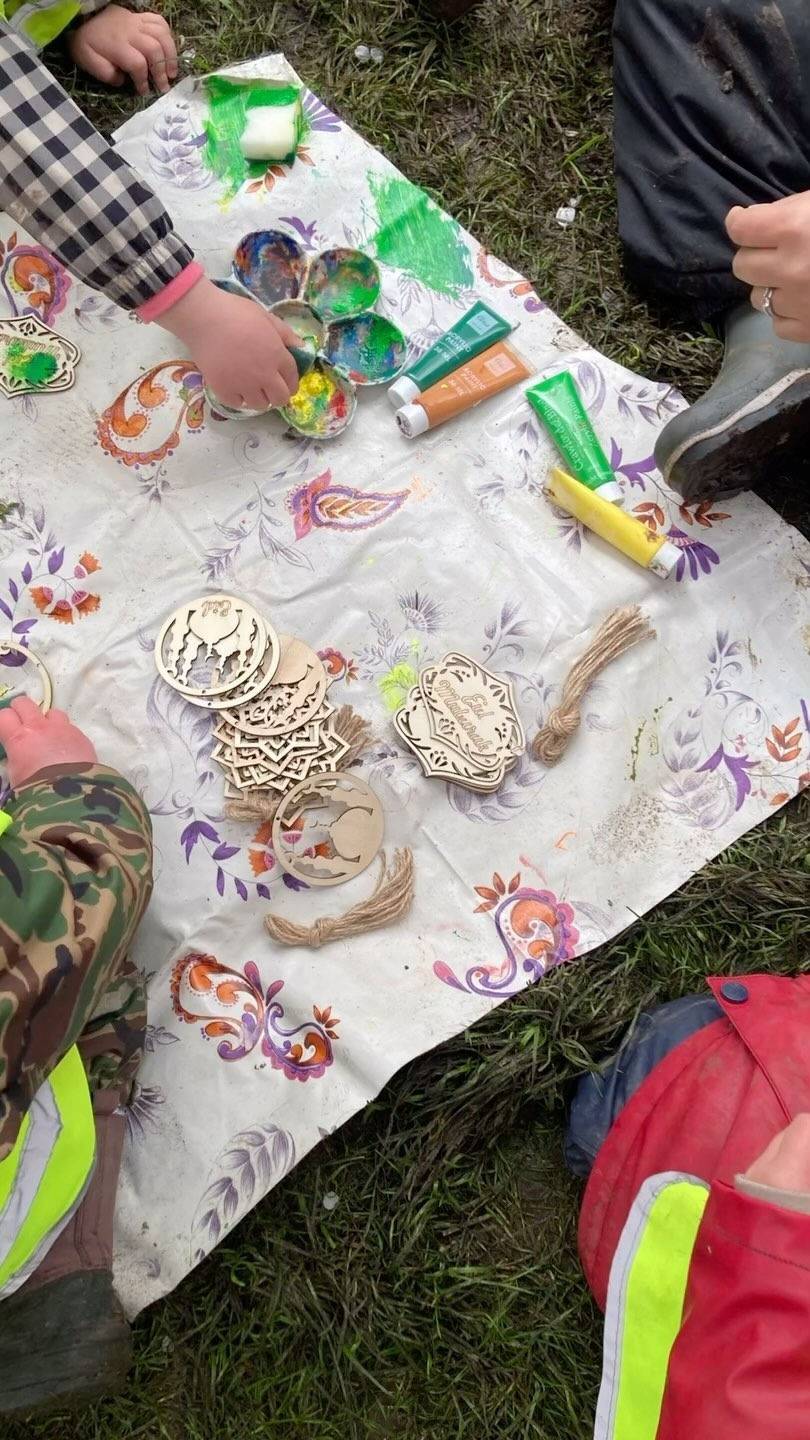
The natural environment inspires creativity in every form. Woodland Wanderers encourages storytelling, art, and imaginative play using materials found outdoors. Sticks become tools, leaves transform into canvases, and every space becomes an opportunity for creative expression.
Creativity nurtures emotional intelligence and problem-solving. It allows children to think beyond conventional boundaries, building innovation and adaptability. Through creative freedom, the forest play preschool fosters confident, thoughtful learners ready to express themselves in unique and meaningful ways.
Local Community and Hotspots Near Woodland Wanderers Forest School in Rickmansworth
Rickmansworth Aquadrome
Located just minutes from the heart of Rickmansworth, the Rickmansworth Aquadrome provides a beautiful outdoor space with lakes, walking trails, and wildlife. Families and educators often use it as a place to connect with nature, aligning perfectly with the principles of outdoor learning practiced at Woodland Wanderers. It serves as a reminder of the area’s natural richness and community focus on healthy outdoor living.
Chorleywood Common
Chorleywood Common offers wide open fields, wooded trails, and natural ponds, creating opportunities for exploration and recreation. It’s a local favorite for families who value time outdoors. The space complements Woodland Wanderers’ emphasis on freedom, discovery, and respect for the natural environment.
Batchworth Heath
Batchworth Heath is a tranquil area near Rickmansworth that combines scenic views with wildlife habitats. It provides a peaceful retreat for walks and quiet reflection, embodying the calm and connection central to the forest school philosophy. This local hotspot reinforces the importance of nature in early education and community well-being.
Frequently Asked Questions about Forest School
Q1: What is forest school education, and how is it different from traditional preschools?
Forest school education emphasizes outdoor learning, exploration, and child-led experiences rather than structured classroom lessons. At Woodland Wanderers in Rickmansworth, children learn through hands-on interaction with their environment. This approach promotes problem-solving, independence, and creativity. Unlike traditional preschools, where learning often focuses on worksheets and repetition, forest school prioritizes sensory discovery, collaboration, and curiosity. It supports all areas of development—physical, cognitive, and emotional—by allowing children to grow through natural experiences rather than formal instruction.
Q2: How does outdoor learning benefit early years development?
Outdoor learning benefits children by engaging their senses, promoting movement, and fostering curiosity. At Woodland Wanderers in Rickmansworth, outdoor learning allows children to explore freely, strengthening coordination and problem-solving skills. The natural environment encourages patience and observation, helping toddlers develop focus and confidence. Socially, outdoor play teaches cooperation and empathy, while exposure to nature improves emotional regulation. This balance of active learning and reflection ensures well-rounded development that supports children’s future academic and personal growth.
Q3: What does a typical day look like at Woodland Wanderers forest play preschool?
A day at Woodland Wanderers forest play preschool includes a mix of guided and independent activities. Children begin with group time, where they discuss daily observations or plans. They then engage in exploration, building structures, collecting natural materials, or participating in creative play. Educators guide discussions, encourage curiosity, and observe children’s progress. Snack times and reflection periods are built into the day to promote mindfulness and social interaction. Each day ends with a group activity or storytelling session, reinforcing community and connection.
Q4: How do teachers support learning in a forest school environment?
Teachers at Woodland Wanderers act as facilitators who observe and support children’s learning journeys. They provide opportunities for exploration while ensuring safety and engagement. Instead of directing, teachers encourage children to take initiative and think critically about their surroundings. Educators introduce concepts naturally through observation, conversation, and experimentation. This supportive approach allows children to develop independence and confidence, making learning self-motivated and enjoyable. Teachers model respect, curiosity, and mindfulness, helping children cultivate those same qualities.
Q5: Why do families in Rickmansworth choose Woodland Wanderers for forest school education?
Families in Rickmansworth choose Woodland Wanderers because it offers meaningful, child-centered learning in a natural environment. The forest school model promotes independence, creativity, and social connection, ensuring children thrive in all areas of development. Woodland Wanderers combines outdoor learning with gentle structure, guided exploration, and a supportive community. Parents value the balance between freedom and safety, as well as the focus on holistic growth. The program’s commitment to curiosity, confidence, and respect makes it a trusted choice for early years education in Rickmansworth.
Forest School Learning and Growth at Woodland Wanderers in Rickmansworth
Woodland Wanderers’ forest school in Rickmansworth provides a nurturing environment where children learn through experience, curiosity, and exploration. Each day spent outdoors builds confidence, creativity, and independence. The program combines child-led discovery with structured guidance, helping every learner grow intellectually, emotionally, and physically.
As a nature-based preschool, Woodland Wanderers prepares children not only for academic success but also for life. The focus on outdoor learning, teamwork, and mindfulness ensures that young learners develop essential skills for the future. Families seeking a meaningful, balanced, and inspiring start to education find in Woodland Wanderers a trusted environment that supports both growth and discovery.

Comments