
Eco-Friendly Childcare Practices That Support Healthy Early Development

Eco-friendly childcare in early education is becoming an essential approach for families and educators seeking to nurture children responsibly. At Woodland Wanderers, this philosophy is built into every aspect of daily life. The nursery demonstrates how thoughtful, sustainable practices in early learning environments can support healthy growth and awareness from the very beginning. By combining vegetarian nursery meals, inclusive early education, and mindful sustainable practices, Woodland Wanderers sets a strong example of how early education can shape compassionate, capable, and conscious individuals for the future.
Introduction to Eco-Friendly Childcare in Early Education with Woodland Wanderers
Eco-friendly childcare in early education is about creating environments where children learn through experiences that promote balance, respect, and care for their surroundings. At Woodland Wanderers, this approach goes beyond simple environmental choices. It becomes part of how children think, learn, and develop through connection and awareness.
From daily routines to classroom activities, every detail is designed to reflect responsibility and mindfulness. Woodland Wanderers ensures that children are not just taught but also shown how small actions contribute to larger outcomes. Whether it’s reusing materials, understanding food choices, or caring for shared spaces, toddlers learn through participation and observation.
This approach encourages young children to become independent thinkers who understand the importance of caring for others and their environment. It promotes the values of cooperation, gratitude, and awareness, helping children recognize the interconnectedness of people, nature, and daily life. Through eco-friendly childcare in early education, Woodland Wanderers teaches lessons that go far beyond the classroom, preparing children to grow into responsible, reflective individuals.

Practical Sustainable Practices in Early Education
Integrating Sustainability into Everyday Routines
Sustainable practices at Woodland Wanderers begin with the basics. The nursery integrates eco-friendly routines into the rhythm of each day, allowing children to naturally adopt these habits as part of their development. Activities such as sorting classroom materials, reusing natural objects in play, and conserving water become second nature to children who participate daily.
Children are encouraged to think about their actions, whether pouring water carefully during art activities or putting materials back where they belong. These simple habits build awareness and discipline. They learn that sustainability is not an occasional act but a way of living that supports everyone around them.
Educators model these behaviors consistently, showing children how to care for materials and resources. This creates an atmosphere of respect and consideration, aligning perfectly with Woodland Wanderers’ philosophy of learning through doing.
Encouraging Responsibility and Awareness in Young Learners
Eco-friendly childcare in early education also means teaching responsibility through experience. At Woodland Wanderers, children take part in small tasks that develop a sense of ownership and accountability. Activities such as caring for plants or organizing play spaces show children that their contributions matter.
Responsibility builds confidence. When toddlers see the results of their actions—such as a growing plant they helped water—they begin to understand cause and effect. This fosters both cognitive and emotional growth while building a foundation of respect for their environment.
Through consistent participation, children gain awareness of their surroundings and begin to make thoughtful choices independently. Woodland Wanderers believes that these small steps in early years education lead to lifelong habits that promote mindfulness, cooperation, and balance.
Supporting the Community Through Sustainable Choices
Sustainable practices at Woodland Wanderers extend beyond the classroom. The nursery supports local sourcing and community partnerships, choosing materials and foods that reflect responsible decision-making. These practices not only benefit children’s health and development but also strengthen local connections within Rickmansworth.
Children are involved in understanding how community and environment work together. Through projects and activities, they see how every contribution supports a shared purpose. This connection between sustainability and community engagement reinforces compassion and belonging—two key pillars of holistic education.
By embedding these values into its teaching approach, Woodland Wanderers ensures that children learn not only to care for the environment but also to value collaboration and empathy. These lessons prepare young learners for a life rooted in respect and contribution.
Nutrition and Vegetarian Nursery Meals for Healthy Early Development
The Role of Nutrition in Sustainable Practices
Nutrition is a vital part of eco-friendly childcare in early education. At Woodland Wanderers, the use of vegetarian nursery meals supports both children’s well-being and the nursery’s sustainable philosophy. Meals are prepared with fresh, balanced ingredients that promote growth, energy, and focus, ensuring children receive the nutrients they need to thrive.
By choosing vegetarian meals, Woodland Wanderers demonstrates how food can reflect care for both health and the environment. Children are introduced to a wide variety of flavors, colors, and textures, expanding their palates and encouraging curiosity about food. This approach nurtures a positive relationship with eating, teaching mindfulness and appreciation for natural ingredients.
The emphasis on healthy, plant-based meals also provides opportunities for learning. Children observe how food is prepared and served, gaining understanding about nutrition and choice. These experiences connect physical nourishment to the values of balance and respect that define Woodland Wanderers’ mission.
Promoting Mindful Eating in Early Education
Mindful eating is an essential practice within the nursery’s educational framework. During meal times, children at Woodland Wanderers are encouraged to eat attentively and appreciate what they consume. Teachers discuss where ingredients come from, why balance matters, and how sharing food fosters community.
These conversations help toddlers associate eating with gratitude and learning. Instead of rushing through meals, children participate in a calm, social experience that encourages observation and connection. This practice enhances emotional regulation and focus while supporting overall well-being.
Vegetarian nursery meals also teach portion awareness and variety. By offering colorful plates and a mix of grains, fruits, and vegetables, Woodland Wanderers helps children develop preferences rooted in health and awareness. Through mindful eating, nutrition becomes part of a broader lesson in sustainable living and responsibility.
Inclusive Early Education and Its Connection to Eco-Friendly Childcare
Building Compassion Through Inclusive Learning
Inclusive early education is an essential component of Woodland Wanderers’ approach to eco-friendly childcare. Inclusivity ensures that every child feels valued, heard, and supported, regardless of background or ability. This environment mirrors the same respect and mindfulness that sustainable practices aim to cultivate.
Through group activities and outdoor learning, children learn cooperation and empathy. Educators encourage teamwork, teaching toddlers how to listen, share, and appreciate different perspectives. These skills support social and emotional development while reinforcing community awareness.
Inclusivity and sustainability share common ground: both teach care for the collective. When children learn that their actions affect others, they develop compassion and a deeper understanding of responsibility. This foundation becomes a guiding principle for both personal growth and social harmony.
Creating Awareness of Shared Responsibility in Early Education
At Woodland Wanderers, children are encouraged to understand that learning is not only about individual progress but also about shared responsibility. Inclusive early education helps toddlers see how cooperation strengthens community. They learn to care for shared materials, respect one another’s space, and work together toward common goals.
Educators use real-life examples to demonstrate the power of collaboration. Whether organizing group activities or maintaining play areas, children see that teamwork leads to positive outcomes. This understanding extends naturally to sustainable practices—showing that caring for the environment is a shared duty.
By linking inclusivity with sustainability, Woodland Wanderers reinforces the idea that kindness, awareness, and collective effort can shape a more thoughtful world. Through consistent practice, these values become part of how children interact and grow every day.
Long-Term Impact of Sustainable Practices in Early Education
Building Habits That Last Beyond Early Years
The lessons learned through eco-friendly childcare in early education extend far beyond nursery life. At Woodland Wanderers, children develop habits of responsibility, curiosity, and mindfulness that continue throughout their schooling and personal lives. By learning to care for their surroundings, they begin to understand the importance of balance and stewardship.
Small, daily routines—such as conserving materials, appreciating food, or cooperating with others—lay the foundation for lifelong habits. These experiences shape character and promote emotional maturity. Children who grow up in mindful environments often carry these lessons forward, becoming thoughtful individuals who value respect and cooperation.
Sustainable practices in early education not only enhance learning outcomes but also build resilient mindsets. Woodland Wanderers focuses on nurturing adaptability and awareness—qualities essential for success in any future environment.
Shaping Mindful and Responsible Future Citizens
The ultimate goal of eco-friendly childcare in early education is to prepare children for thoughtful participation in society. Woodland Wanderers instills values that guide children toward mindful decision-making and compassion for others. Through daily exposure to inclusive and sustainable principles, toddlers learn how actions contribute to collective well-being.
By integrating lessons of care, responsibility, and community, Woodland Wanderers helps shape individuals who are conscious of their impact. These early experiences encourage empathy, problem-solving, and independence. As children grow, they carry these principles into school, friendships, and beyond.
The long-term result is a generation of learners who value not only achievement but also harmony and care—qualities that define strong, balanced communities.
Frequently Asked Questions about Eco-Friendly Childcare in Early Education
Q1: What does eco-friendly childcare mean in early education?
Eco-friendly childcare in early education refers to teaching children through experiences that promote responsibility and mindfulness in daily life. At Woodland Wanderers, this means integrating sustainable practices such as reusing materials, conserving resources, and encouraging mindful eating. The goal is to help toddlers understand the importance of care for themselves, others, and their environment. Through hands-on learning and guided exploration, children develop habits that support holistic growth. This approach builds awareness from an early age, creating a strong foundation for lifelong learning and thoughtful decision-making.
Q2: How does Woodland Wanderers promote sustainability in daily routines?
Woodland Wanderers incorporates sustainability into every part of the day. Children participate in activities like organizing resources, recycling, and caring for plants, learning that small actions contribute to a healthier world. Teachers model responsible behaviors by encouraging mindfulness during play and cleanup. These routines build awareness and respect for materials and community spaces. The nursery also focuses on local sourcing and natural materials, demonstrating practical examples of sustainability. By embedding these habits into daily life, Woodland Wanderers ensures that children internalize lessons about responsibility and cooperation.
Q3: Why are vegetarian nursery meals part of eco-friendly childcare?
Vegetarian nursery meals at Woodland Wanderers support health, mindfulness, and sustainable practices. Plant-based meals provide balanced nutrition using fresh, natural ingredients that promote growth and focus. Children experience diverse flavors and textures, encouraging curiosity about food and appreciation for variety. These meals reflect the nursery’s philosophy of care and respect for living systems, teaching toddlers that mindful choices contribute to well-being. Shared mealtimes also foster gratitude, patience, and social interaction. By linking nutrition to sustainability, Woodland Wanderers shows that food can nurture both health and awareness.
Q4: How does inclusive early education connect to sustainable practices?
Inclusive early education and sustainable practices share common values—both focus on care, responsibility, and community. At Woodland Wanderers, inclusivity ensures every child is respected and supported, fostering empathy and cooperation. These same principles extend to sustainability, where children learn to care for shared resources and understand the effects of their actions. When children experience equality and teamwork in inclusive settings, they naturally develop compassion for others and their environment. This connection reinforces the idea that kindness and awareness are essential for both personal and global well-being.
Q5: What are the long-term benefits of eco-friendly childcare for young children?
Eco-friendly childcare in early education builds habits that benefit children throughout life. At Woodland Wanderers, toddlers develop independence, empathy, and responsibility through daily experiences rooted in sustainability. These lessons strengthen emotional resilience, critical thinking, and cooperation. As children grow, they apply these skills in school and relationships, creating lasting positive behaviors. The long-term impact includes improved focus, problem-solving ability, and respect for others. Most importantly, eco-friendly childcare helps shape individuals who value mindfulness, community, and balance—key traits for lifelong success and well-being.
The Future of Eco-Friendly Childcare and Early Development with Woodland Wanderers
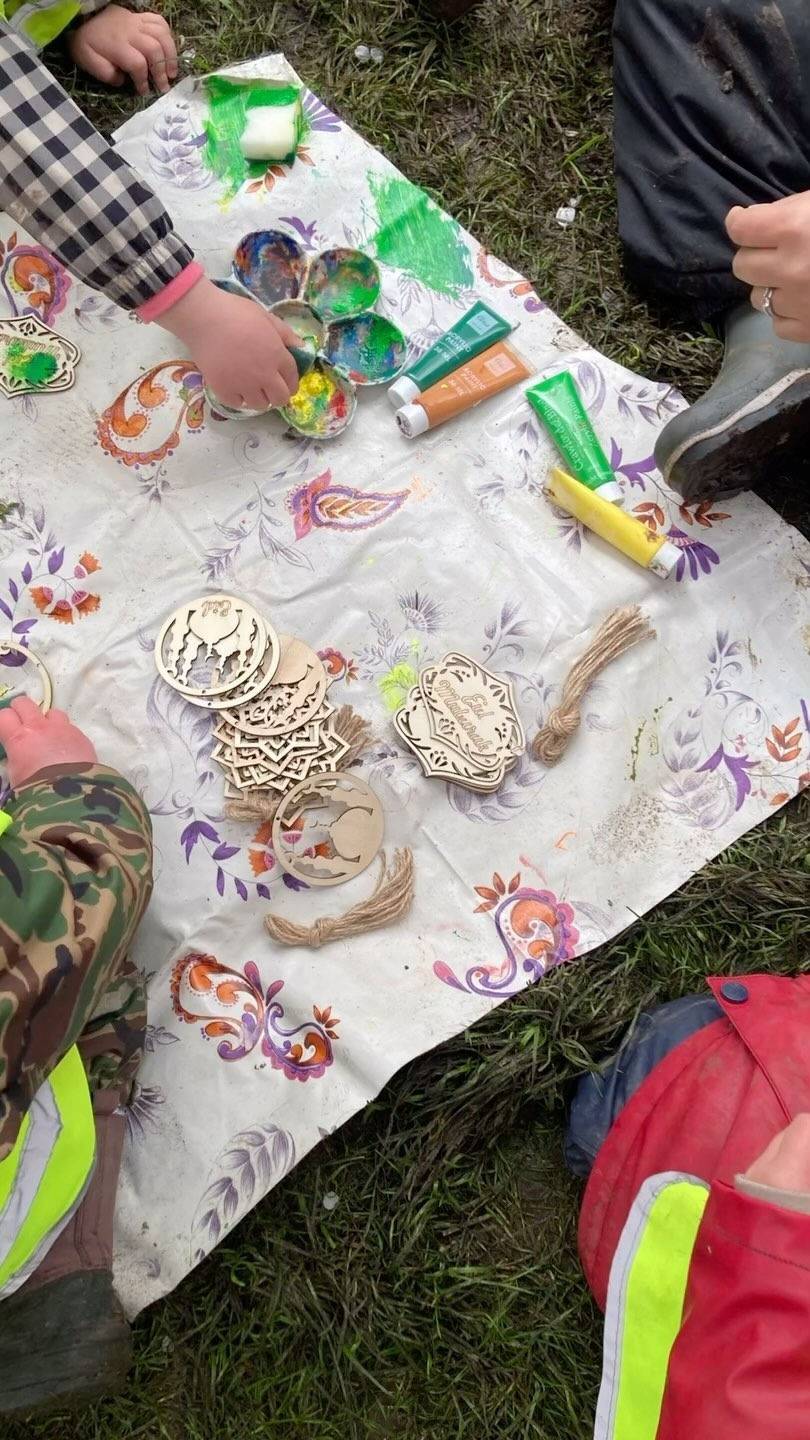
Eco-friendly childcare in early education is more than a philosophy—it is a way of nurturing awareness, growth, and connection. Woodland Wanderers demonstrates how thoughtful practices, from vegetarian nursery meals to inclusive early education, create strong foundations for healthy development. Through daily participation in sustainable routines, children learn to think critically, act responsibly, and care deeply for their world.
By integrating sustainable practices into early learning, Woodland Wanderers prepares children for a future defined by awareness and compassion. These experiences teach that mindful actions lead to meaningful outcomes, empowering young learners to grow into kind, capable individuals. Families seeking purposeful education find in Woodland Wanderers an environment where every day supports both development and understanding—a balance that defines true early childhood success.


Comments